


Benefits of Team Sports for Children's Development

Updated: Feb 11
Team sports are more than just a fun way for children to spend their time; they play a crucial role in their overall development. Engaging in team sports can help children build essential life skills, foster friendships, and improve their physical health. In this blog post, we will explore the numerous benefits of team sports for children's development, focusing on social, emotional, and physical growth.
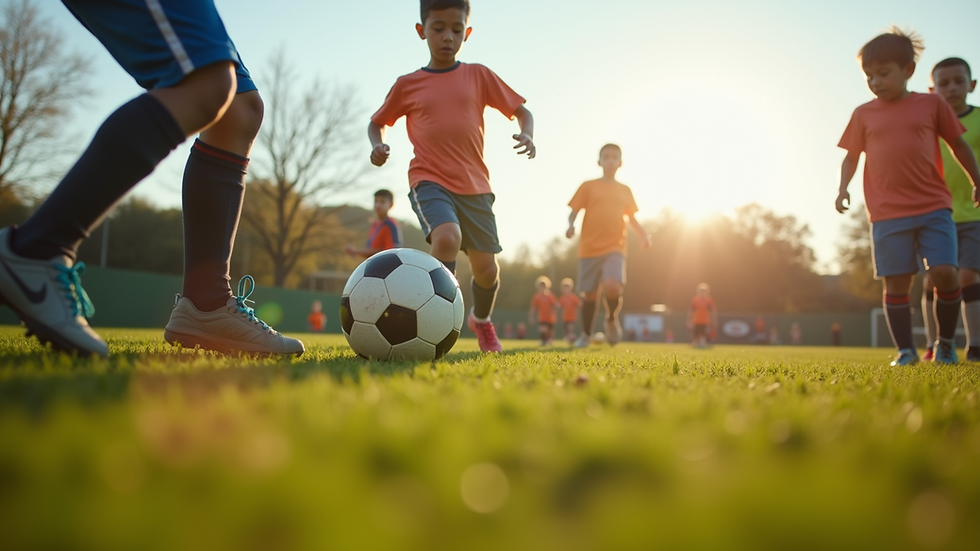
Social Skills Development
One of the most significant benefits of team sports is the enhancement of social skills. Children learn to communicate effectively, work collaboratively, and resolve conflicts. Here are some key aspects of social skills development through team sports:
Communication
In a team setting, children must communicate with their teammates to strategize and execute plays. This helps them develop verbal and non-verbal communication skills. For example, a soccer player must call for the ball, while a basketball player needs to signal for a screen. These interactions teach children how to express themselves clearly and listen to others.
Teamwork
Team sports require cooperation and collaboration. Children learn that success is often a collective effort rather than an individual achievement. They understand the importance of supporting one another, which fosters a sense of belonging and camaraderie. For instance, during a basketball game, players must pass the ball and set screens for each other to create scoring opportunities.
Conflict Resolution
Disagreements are inevitable in any group setting. Team sports provide a safe environment for children to navigate conflicts and learn how to resolve them. Whether it's a disagreement over a call made by a referee or a misunderstanding between teammates, children learn to address issues constructively. This skill is invaluable as they encounter similar situations in school and later in life.
Emotional Growth
Participating in team sports can significantly impact a child's emotional development. Here are some ways team sports contribute to emotional growth:
Self-Esteem
Achieving goals, whether scoring a point or winning a game, boosts children's self-esteem. They learn to set personal and team goals, and accomplishing these goals fosters a sense of pride and confidence. For example, a child who practices diligently to improve their skills will feel a sense of accomplishment when they see their hard work pay off in a game.
Resilience
Sports often involve facing challenges and setbacks. Children learn to cope with disappointment, such as losing a game or making a mistake. This resilience is crucial for their emotional well-being, as it teaches them to bounce back from failures and keep trying. For instance, a young athlete who misses a penalty kick learns to focus on improving rather than dwelling on the mistake.
Empathy
Team sports encourage children to understand and appreciate the feelings of others. They learn to celebrate their teammates' successes and support them during tough times. This empathy fosters strong relationships and helps children develop a sense of compassion for others.
Physical Health Benefits
Engaging in team sports is an excellent way for children to stay active and maintain their physical health. Here are some key physical benefits:
Improved Fitness Levels
Regular participation in team sports helps children develop cardiovascular fitness, strength, and flexibility. Activities like soccer, basketball, and volleyball require running, jumping, and quick movements, which contribute to overall fitness. For example, a child who plays soccer regularly will improve their endurance and agility.
Healthy Lifestyle Habits
Involvement in team sports often encourages children to adopt healthier lifestyle habits. They become more aware of the importance of nutrition, hydration, and rest. Coaches and parents can reinforce these habits, helping children make better choices both on and off the field.
Motor Skills Development
Team sports help children develop essential motor skills, such as coordination, balance, and hand-eye coordination. These skills are crucial for their overall physical development and can benefit them in other areas of life. For instance, a child who plays basketball will improve their hand-eye coordination through dribbling and shooting.
Academic Performance
Interestingly, participation in team sports can also positively impact children's academic performance. Here are some ways this connection manifests:
Improved Focus and Concentration
Engaging in physical activity helps children improve their focus and concentration. The discipline required in sports translates to better attention in the classroom. For example, a child who learns to stay focused during a basketball game is likely to apply that same focus to their studies.
Time Management Skills
Balancing schoolwork and sports teaches children valuable time management skills. They learn to prioritize tasks and manage their schedules effectively. For instance, a student-athlete must allocate time for practice, homework, and studying, which helps them develop strong organizational skills.
Enhanced Cognitive Function
Research suggests that regular physical activity can enhance cognitive function, leading to better academic performance. Team sports provide an excellent outlet for physical activity, which can improve memory, problem-solving skills, and overall brain function.
Lifelong Skills
The skills learned through team sports extend beyond childhood and can benefit children throughout their lives. Here are some lifelong skills developed through participation in team sports:
Leadership
Team sports often provide opportunities for children to take on leadership roles, whether as a team captain or by encouraging teammates. These experiences help them develop leadership qualities that can be applied in various aspects of life, including school and future careers.
Goal Setting
Setting and achieving goals is a fundamental aspect of team sports. Children learn to set realistic goals, work towards them, and celebrate their achievements. This skill is transferable to academic and professional settings, where goal setting is essential for success.
Adaptability
In sports, situations can change rapidly, requiring players to adapt quickly. Children learn to think on their feet and adjust their strategies as needed. This adaptability is a valuable skill in today's fast-paced world, where change is constant.
Conclusion
The benefits of team sports for children's development are profound and far-reaching. From enhancing social skills and emotional growth to improving physical health and academic performance, team sports provide a well-rounded experience that shapes children into well-adjusted individuals. Encouraging children to participate in team sports not only promotes a healthy lifestyle but also equips them with essential life skills that will serve them well into adulthood.
As parents, coaches, and educators, we should advocate for and support children's involvement in team sports, recognizing the lasting impact these experiences can have on their development. So, whether it's joining a local soccer team or participating in a school basketball league, the opportunities for growth through team sports are endless.
Comments